

Toddler Program
Learning and growing at the Y!
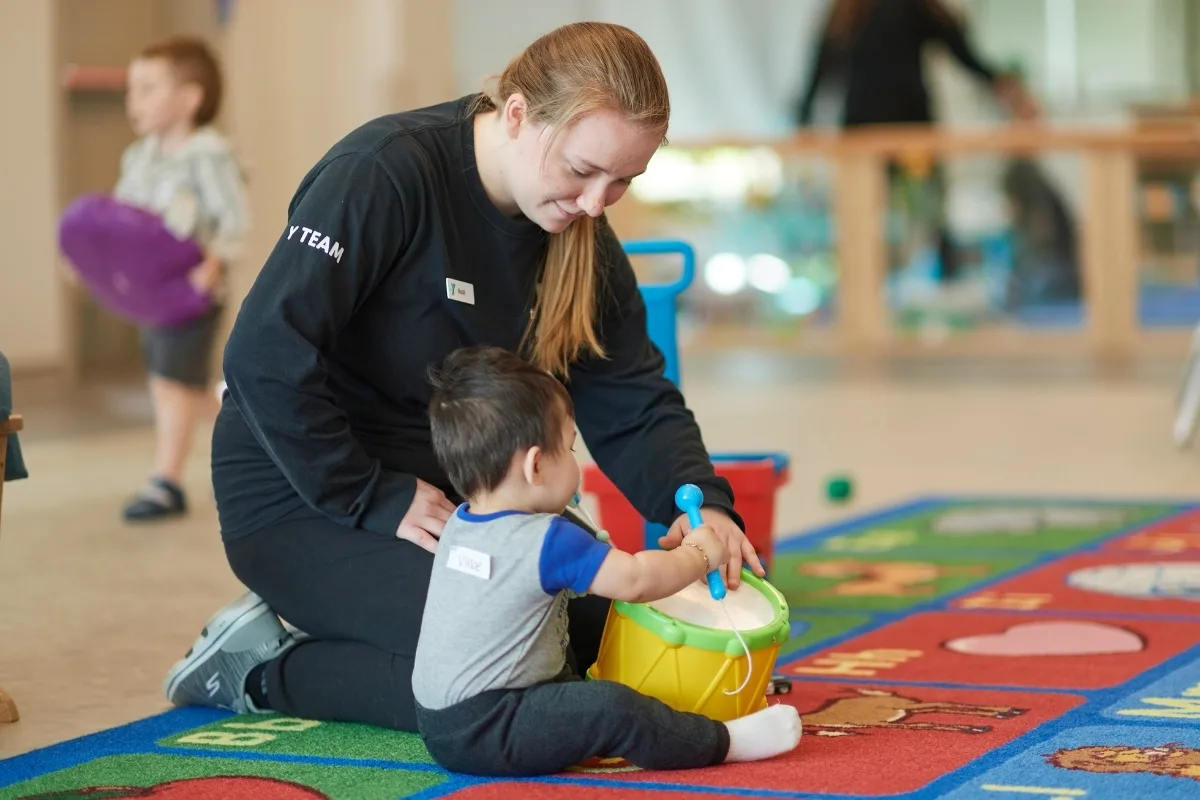
About the Toddler Program
Toddlers learn best through meaningful play, concrete sensory interactions, intentional activities, experiences, active exploration of their environment, and through interactions with adults in the context of routine care.
Highly trained teachers plan daily activities that encourage an enthusiastic exploration of the world.
Age Range for Toddler Program: 13 months - 36 months
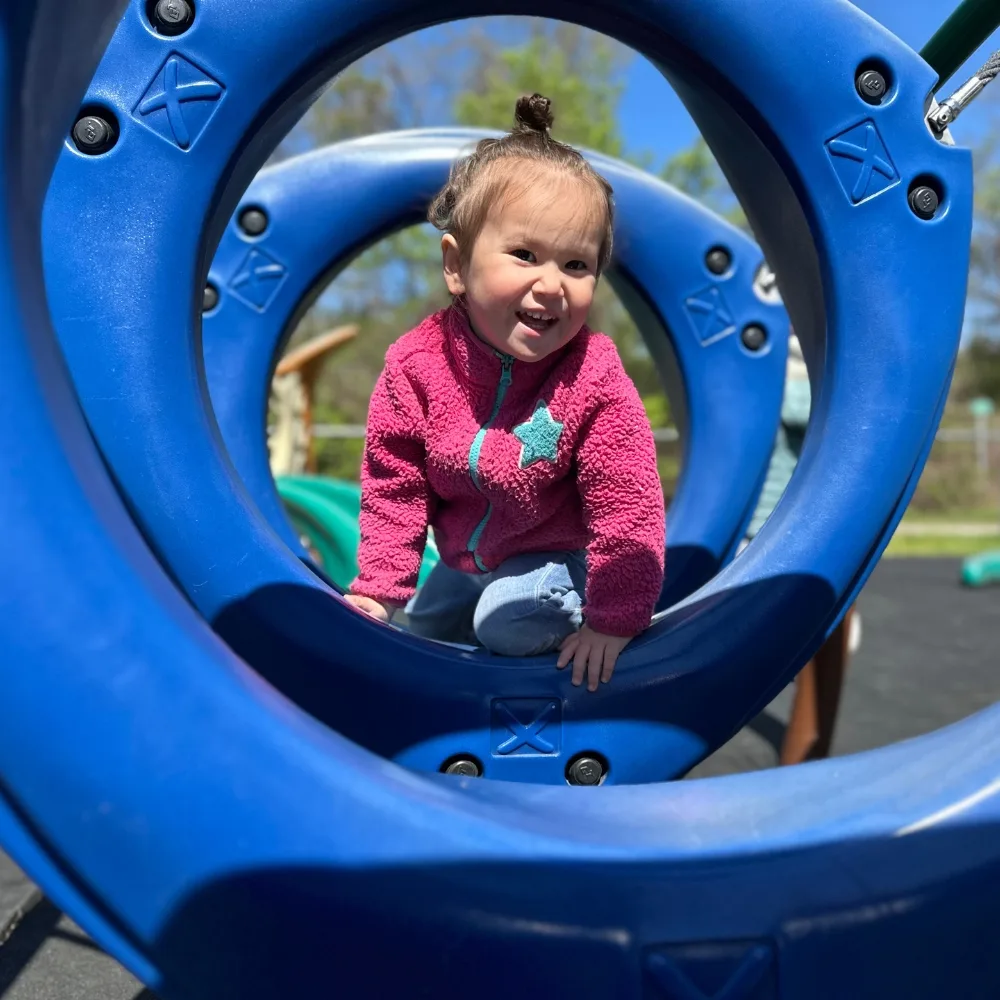
Learning Outcomes
Toddlers are in a continuous state of exploring, discovering, and constructing meaningful relationships with their environment and the people around them. Classrooms are designed to promote curiosity, support inquiry and discovery, and encourage the foundational skill of scientific thinking.
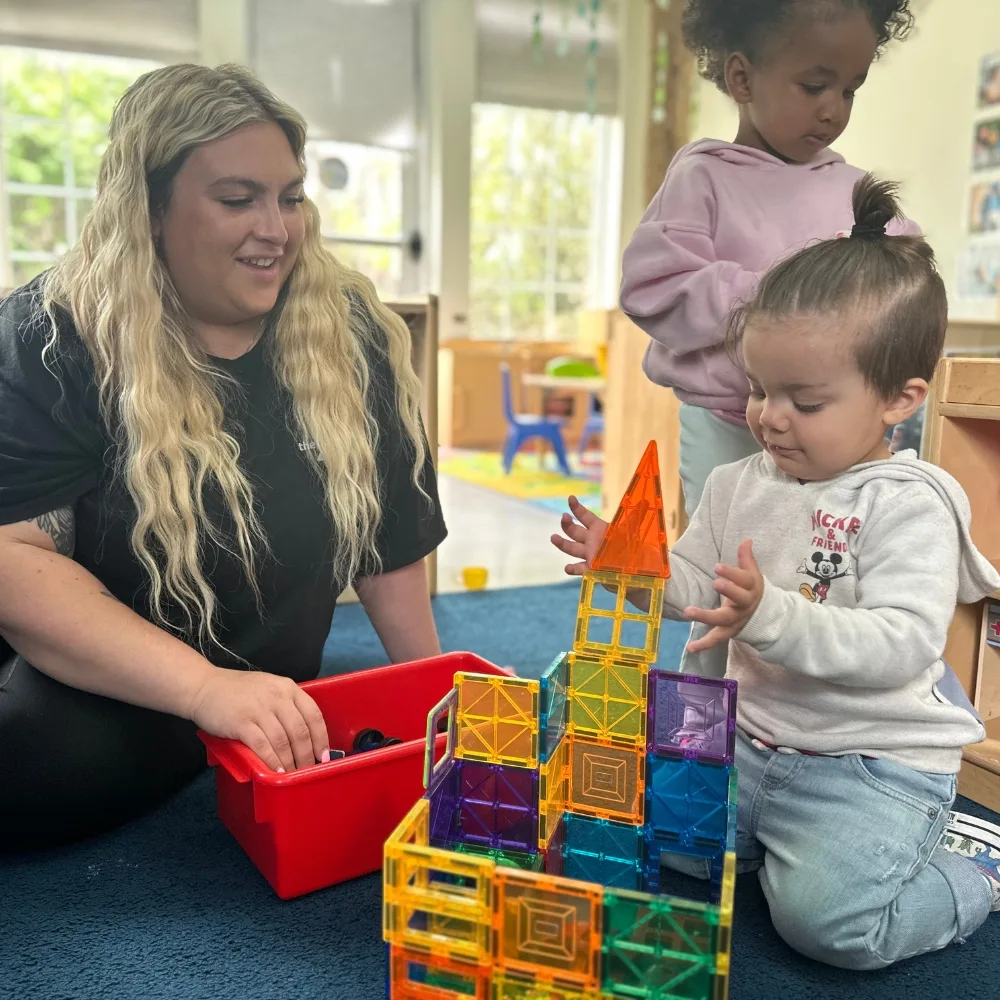
Play sequences and activities expand across all areas of learning and build social, physical, and cognitive skills through intentional planning by teachers who interact with them asking open ended questions. Play is the child’s natural state of mind and is a powerful learning tool that helps children gather and construct knowledge, organize information, and apply knowledge.
Children develop self awareness and self management in an emotionally supportive environment. Toddlers develop coordination and fine and gross motor skills through physical activity. Toddlers are engaging in parallel play, alongside their classmates and are beginning to coordinate their play with one another.
Toddler Program Locations
Find a location that works for your family and expand the section to get started on taking a tour.
Abington Early Learning Center
Christian Street YMCA Early Learning Center
Columbia North YMCA Early Learning Center
Gilbertsville Early Learning Center
Montgomery County Community College Early Learning Center
Mount Laurel Early Learning Center
How old does my child need to be to participate?
Toddler programs begin at 13 months or later depending on location.
What's the staff to child ratio?
We follow a 1 adult to 5 children ratio for young toddlers and 1 adult to 6 children ratio for older toddlers.
How do teachers communicate with parents about child progress?
Daily notes on foods eaten and quantities, sleeping, photos and activities are provided through Tadpoles. Families are provided with development progress reports three times per year.
How do you maintain a sanitary environment?
Handwashing occurs upon entering the classroom, before handling food and feeding, after handling body fluids, before and after messy play.
Surfaces in the learning center are washed and sanitized frequently. Rest mats/coats are sanitized weekly and bedding is sent home at the end of each week to be laundered. Carpets and toys are cleaned regularly.
What health and safety precautions are taken?
To learn more about the health and safety precautions we follow at Y Early Learning Centers, please review our Family Manual. We also follow the standards outlined by Praesidium for child protection.
What do families need to provide as part of their child's care?
Families provide a standard crib sheet and blanket, change of seasonally appropriate clothing, diapers and wipes (5 per day), sippy cup or water bottle, and possibly lunch depending on location.
All items brought from home shall be labeled with the child’s full name.
How often are my child's diapers changed?
Children’s diapers are changed every 2 hours.
Toilet training begins once a child demonstrates readiness; has words for pee and poo, shows signs of discomfort when soiled, eliminates regularly, can pull clothing down and up.
Is there nap time?
Nap time is for 2 hours after lunch on a cot or rest mat.
Is there outdoor play everyday?
Toddlers spend time outdoors daily so appropriate outerwear is necessary year round.
What type of shoes should my child wear?
Closed toe and closed heel shoes, such as sneakers, are best for all age groups.
Can my child bring a screen play device?
Screen time is not permitted in toddler rooms.