Published: 07/06/2026 - 9:00 AM
Life happens. Whether it's due to an injury, being busy at work or family responsibilities, we can all get a little off track with our exercise routines. Getting back into the gym can sometimes feel like a bigger challenge than starting fresh ever did. There's the physical side of rebuilding strength and endurance, and the mental challenges of creating a consistent routine again.
This guide offers a practical, step-by-step approach for going back to the gym after a long time away. There's no judgment or pressure here. Just a clear path forward for how to get back in the gym, no matter how long it's been.
Why Getting Back Into the Gym Feels Harder Than Starting Fresh
When you're getting back into the gym after a long break, you're not starting with a blank slate. You still have memories of your former fitness level, which can make you compare your current self to that version, creating frustration and discouragement. This is called the comparison trap, and it's incredibly common.
The good news is that your body retains muscle memory. Strength and conditioning come back faster, and progress happens quicker than you think when you're returning rather than starting from zero. Focus on consistency over intensity, and you'll be amazed at how quickly things improve.
What Happens to Your Body When You Stop Working Out?
Understanding deconditioning helps set realistic expectations for your return. Your body adapts to inactivity just as it does to training. Luckily, the changes are reversible.
Here's what happens after you stop exercising regularly:
- Cardiovascular fitness can decline relatively quickly, with noticeable changes after just two to four weeks of inactivity.
- Strength decreases slowly.
- Flexibility and mobility may feel more limited, especially if you've been sedentary.
You may experience some initial soreness when you get back into exercise. But the human body is wonderfully resilient and wants to move. Research shows that even light exercise does wonders for your overall well-being, so don't underestimate the power of simply showing up!

5 Things to Do Before Getting Back Into Fitness
Taking a few steps before your first workout sets you up for success. These preparations help you return safely and with the right mindset.
- Get medical clearance: This is essential if you're getting back into the gym after an illness, surgery or lengthy sedentary period.
- Set a realistic baseline: Focus on where you are today and not where you were in the past.
- Gather what you need: New gear can motivate you to enjoy exercising again. Comfortable workout clothes and proper footwear make a big difference.
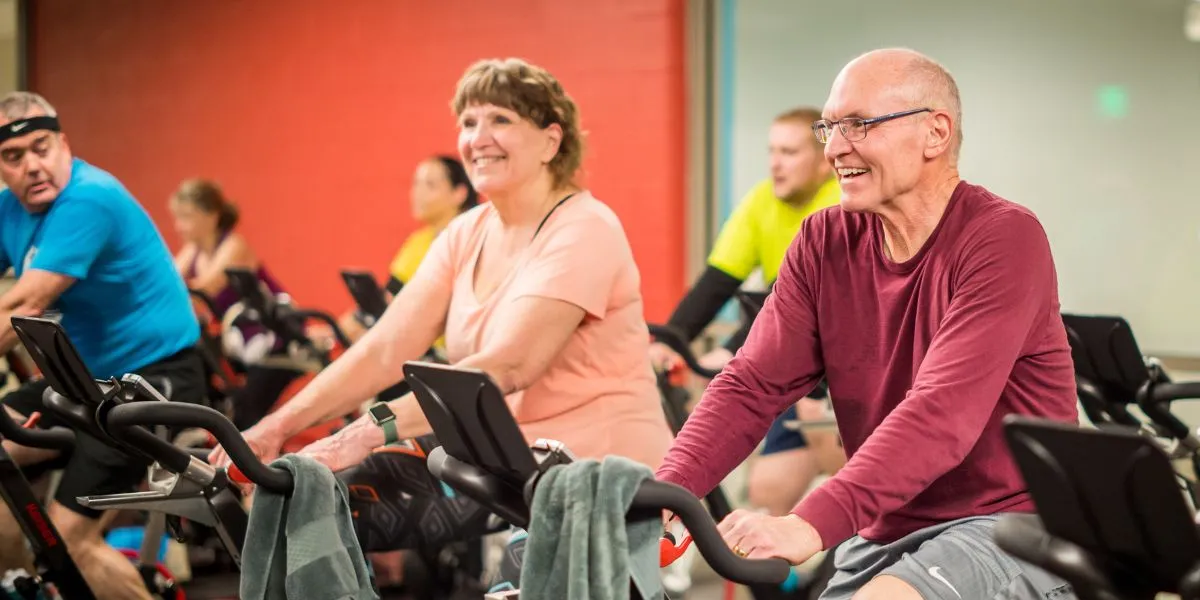
- Schedule your first session: Take action by finding workout class and marking it on your calendar. A group exercise class can be the perfect way to ease back into working out.
- Keep expectations low: Set realistic goals and celebrate the fact that showing up is enough for now.
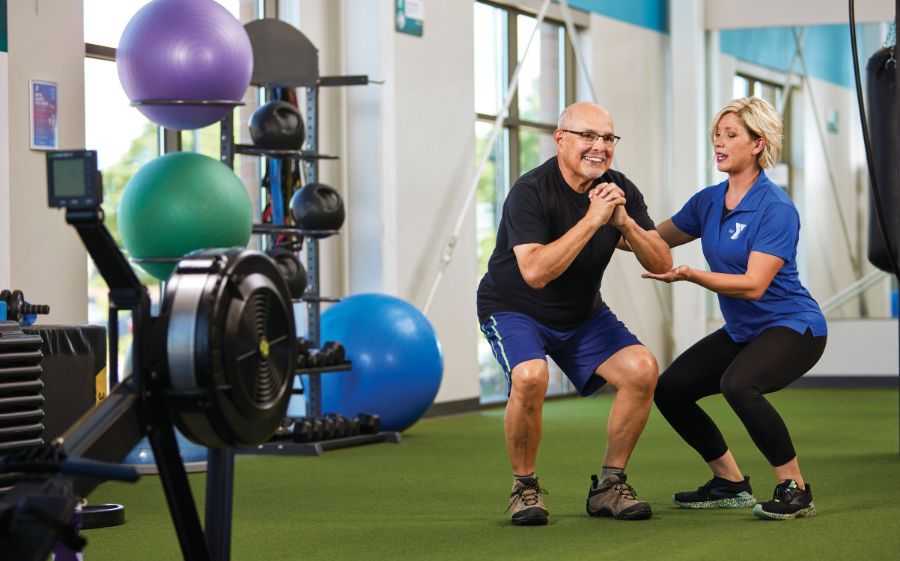
A conversation with a fitness coach can help you set a safe baseline tailored to your current fitness level and goals.
How to Ease Back Into Working Out
Having a practical progression path keeps you motivated as you rediscover your love of exercise. Everyone's goals will be different, but this framework applies to anyone looking to get back into a gym routine.
Weeks 1 to 2: Reintroduce Movement
Consistency matters more than intensity right now. Your goal is to rebuild the habit without overwhelming your body.
- Start with low-impact activities, such as walking, light cycling, water walking or light swimming, yoga, or stretching.
- Aim for 20 to 30 minutes of gentle regular exercise three days a week.
- Focus on showing up and try not to worry about your performance.
- Add body weight exercises, like squats, push-ups and planks, at low volume if you feel ready.
Struggling with motivation? Try the five-minute rule. Commit to just five minutes of exercise, because you'll likely keep going once you start.
Weeks 3 to 4: Add Structure
Begin incorporating light resistance training once your body feels ready. Proper form matters more than the amount of weight you lift, and recovery should remain a priority as you get back into working out. Consider increasing to four days a week if your body feels ready.
Introduce a mix of cardio and strength, as variety keeps the habit from feeling like a chore. Stretch and cool down after every session to avoid injury and build good movement patterns. Recovery is essential for every body type and fitness level, so don't skip rest days.
Weeks 5 and Beyond: Build Gradually
You can mix things up a bit now by increasing duration or intensity. Avoid doing both at once. Instead, focus on one thing at a time to support a gradual but effective exercise journey. The CDC recommends 150 minutes of moderate-intensity aerobic activity plus two days of muscle-strengthening activity per week.
Tips for Making Your Fitness Routine Stick This Time
Simple strategies make all the difference when starting a workout after a long break. These approaches transform exercise into something sustainable and enjoyable.
- Schedule it: Treat your workouts as nonnegotiable calendar appointments, and watch your progress improve.
- Make it social: You don't have to do it alone. Working out with a friend or joining group classes dramatically improves follow-through.
- Choose activities you enjoy: Exercise doesn't have to be dull. Mix it up with dance classes, pickleball, yoga and other activities.
- Track small wins: Logging your sessions builds momentum and a positive routine.
- Cut yourself some slack: Some days aren't going to be perfect. Don't beat yourself up over a single missed day, but try not to miss two sessions in a row.
Accountability and fun work together here, forming a healthy habit you'll look forward to.
Common Mistakes to Avoid When Restarting at the Gym
Getting back into exercise is a marathon, not a sprint. Here are the most common mistakes you should avoid when easing back into exercise:
- Doing too much too soon, leading to burnout or injury during your return.
- Skipping the warm up and cooldown part of your exercise routine.
- Comparing yourself to others in the gym and not focusing on your own goals.
- Neglecting sleep, hydration and nutrition as part of the training process.
- Chasing perfection and forgetting to celebrate the fact that you're back in the gym.
Your most powerful asset when going back to the gym is a positive mindset. Keep that front and center, and you'll be on the right path.
Get Started on Your Comeback at the Greater Philadelphia YMCA
Competitive environments aren't a fun place to be when getting back into fitness. The Greater Philadelphia YMCA welcomes people at every fitness level. Our certified personal trainers and low-impact exercise options are perfect for those easing back in.
We love welcoming back former members and helping new ones create plans that suit their fitness goals. Already focused on how to get back into the gym? Join now and become part of our supportive community.