Published: 02/02/2026 - 8:00 AM
When you step into the world of weight training, it can be easy to want to shoot for the stars and push yourself to lift heavier than you should.
For those wanting to build muscle and strength and see fast results, it's not always easy to be patient with your progress. However, if you want to build muscle and increase your long-term strength, you need to focus on form before anything else.
Having the right technique is key to building muscle safely and sustainably, and although it might take time to master, it'll reduce setbacks and increase the effectiveness of your weight training.
The Short Science: How Good Form Helps You Grow Muscle
If your goal is to grow muscle, practicing proper weightlifting form is the only way to get there safely and sustainably. By ensuring the right muscles are doing the work and preserving your joint health, having the correct form can enhance your mechanical tension, muscle activation, and progressive overload.
Mechanical Tension
Mechanical tension is one of the primary ways to reach hypertrophy, which is the increase in muscle size you're after.
Think of mechanical tension as the resistance you feel in your muscles when lifting weights. As your body works hard to counter the tension, it signals to the brain that your muscles must adapt to overcome the resistance.
The better your form is, the more tension you'll place on your targeted muscles during a workout, and the faster you'll reach hypertrophy.
Muscle Activation
When you use the correct form, you can activate a wider range of muscles. Engaging muscle fibers under mechanical tension during weight training helps boost muscle growth.
Progressive Overload
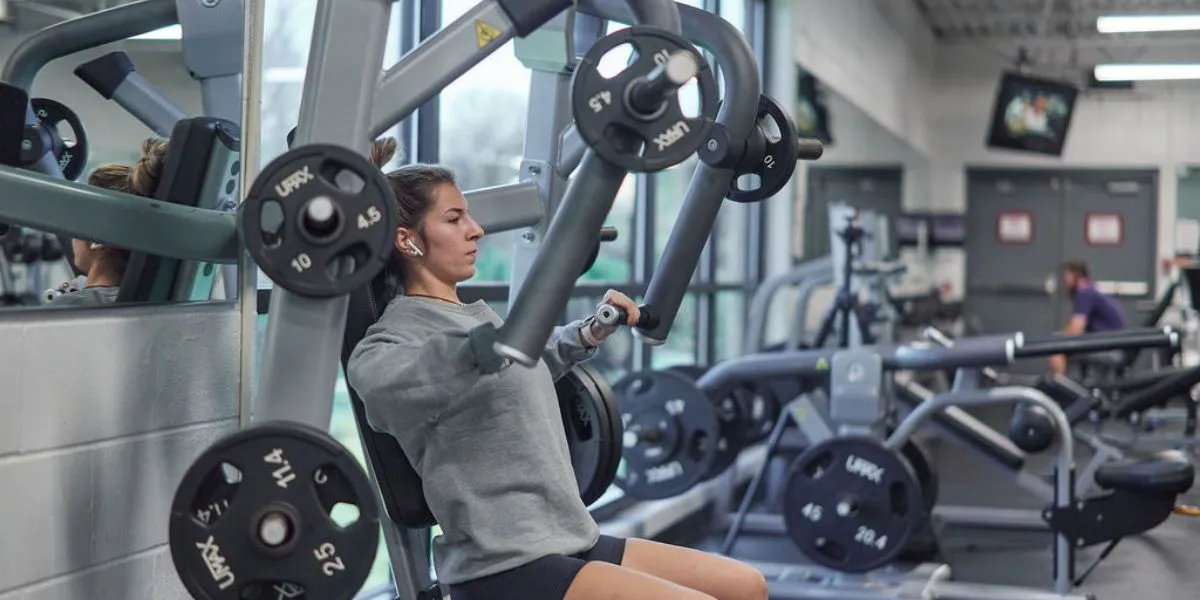
If you use proper form, you can support more effective progressive overload. Once you've mastered your form and optimized muscle tension and activation, you can slowly increase the resistance or intensity of your weight training. Progressive overload challenges your muscles, encourages them to adapt to higher resistances and grow.
Progressive overload can involve:
- Gradually adding weights
- Increasing repetitions
- Adding variation to your exercises
Common Beginner Mistakes
Many beginners make mistakes at the start of their weight training journey that limit their progress and detract from their muscle gains. If you want to avoid getting injured and slowing your progress, be sure to avoid these common mistakes:
Lifting Too Heavy, Too Soon
Otherwise known as “ego lifting,” lifting weights that are too heavy before you're ready can limit muscle growth and increase your risk of injury.
Ego lifting decreases the quality of your form and can lead to consequences that will limit your progress, including:
- Reduced muscle activation
- Increased risk of injury
- Potential decreased motivation
Using Momentum Instead of Control
Using momentum might make your weight training feel easier, but it's counterproductive. Swinging weights dramatically reduces the tension you're placing on the muscle, which limits muscle engagement and reduces your chance of reaching hypertrophy.
Cutting Reps Short
Cutting your repetitions short may help you increase your weight more quickly, but it'll limit your growth potential.
Using a full range of motion can streamline your trajectory to hypertrophy and increased strength by:
- Increasing the number of activated muscles
- Optimizing your mechanical tension
- Improving muscle flexibility
- Increasing micro-trauma within the muscles to stimulate growth
How to Practice Good Form on Every Lift
Sustainable muscle growth starts with continuous good lifting form. It's not easy to achieve perfect form on every rep you make, but as long as you're moving your body with intention and prioritizing control, you'll soon be able to practice good form on every lift.
Here are some tips for practicing good form on every lift:
- Start light: When you're working to perfect your form, start with lighter weights than you think you need. Find a weight that you can lift comfortably for 12 to 15 reps per set.
- Master the movement pattern first: Technique should always come first. Practicing the movement pattern of your lift before adding any weight will help you form strong neural pathways, making the motion feel more natural. If you master your movements first, adding weights will be safer and feel easier.
- Use a controlled tempo and consistent breathing: Controlled breathing and rhythms can help strengthen your mind-muscle connection, optimize the flow of oxygen to your muscles and ensure stable diaphragm engagement to support good form.
- Stop a set when your form breaks down: Pay attention to your form with every rep. As soon as something feels off or your form starts declining, stop your set and take a break before trying again.
How to Weight Train Properly
If you've mastered your form and are ready to add weight, you can adopt the progressive overload approach to continue your muscle growth.
Long-lasting strength and muscle growth don't come from immediately increasing your weights beyond your capacity — they come from consistent, gradual improvement.
Here's how to safely and effectively approach progressive overload:
- Choose a rep range: Establish how many reps you feel comfortable doing with your current weights and stick to that number of reps each time you increase your weight. This approach helps make sure you're progressing — if you add weights but decrease your reps, you won't see the same results. Most people find that a rep range of between 8 and 12 works best.
- Increase weight only after all reps are clean: For each weight you try, stick to it until all reps at that weight are using your full range of motion, engaging all relevant muscles and done with good form. If you increase your weight too soon, you risk injuring yourself.
- Small jumps beat big jumps: When it comes to progressive overload, slow and steady wins the race. Increase your weight slightly and often to maintain progress and limit injury. A realistic goal is to increase your weight by 5 pounds every two weeks.
Form Checklist for Beginners
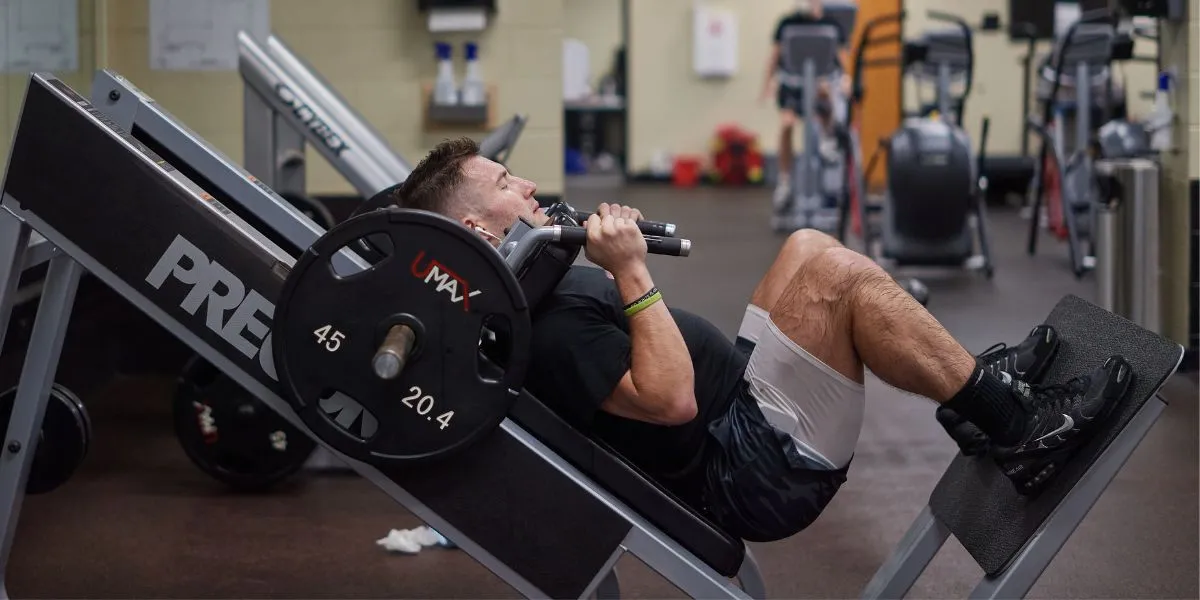
Each time you train, you should make a conscious effort to connect your mind and body and deliver purposeful movements to support your form.
Before each set, try to mentally run through this handy checklist to help keep your form tip-top:
- Stable stance: Depending on the exercise you are doing, make sure you've adopted the correct foot placement and are engaging your core. You'll achieve optimum muscle activation and reduce injury risk.
- Neutral spine: To minimize any injury and improve your form, make sure your spine is in a neutral position before you begin your sets.
- Controlled lowering: If you want to maximize your muscle engagement and optimize resistance, lower your weights slowly and in a controlled manner. More purposeful movements will also help you retain good form.
- Full range of motion: Make sure you're delivering the full range of motion for every rep in each set. You can't advance to higher weights before mastering good form throughout the entire movement in each rep.
- Proper breathing: Breathing intentionally during your set will support blood circulation to your muscles and core engagement. Generally, you should inhale during the lowering (eccentric) phase and exhale during the lifting or pushing (concentric) phase of your reps.
If you can remember these important steps before each set, they'll soon become second nature to you and help you achieve your weight training goals.
Build Muscle the Right Way at the Y
If you take anything away from this guide, it should be that good weightlifting form builds the foundation you need to make long-term muscle gains. When you invest time into perfecting your technique, you can be unstoppable!
If you're ready to start your lifting journey, explore our fitness programs and personal training services at your local Y. Questions? Reach out to a member of the team at the Greater Philadelphia YMCA today.