Published: 02/10/2026 - 8:00 AM
Music evokes happiness in people of all ages and can instantly change our mood. Particularly for children in early education, the power of music extends beyond bringing joy. Music is an essential tool for child development across various aspects of life.
This guide explores the role of music in child development, focusing on its benefits and practical ways to introduce music to support your child's development at home.
The Relationship Between Music and Childhood Development
Beyond the enjoyment of music, children achieve key life skills by incorporating music into various activities, including education and motor skills development. Music is compelling for your child's cognitive development and activates multiple elements of their brain. Elements include memory, motor coordination, and other executive functions like focus.
Regular interactions with music make lasting impressions on your child’s brain. Your child will experience improvements in their listening skills and adaptability in different situations. Developing language skills and the ability to problem solve are further benefits of music intervention. By introducing music to learning, your child also builds their self-confidence.
How Music Development Affects Physical Coordination
Whether your child is learning to play an instrument or dance, they're developing their physical coordination and motor skills. Music's physical nature can help your child achieve significant developmental milestones. Here's how:
- Sensory experiences: With the combination of rhythm, movement and sound, music delivers a sensory experience. Keeping music as a consistent tool within your child's day-to-day development allows them to learn responses to various senses, including audio and visual.
- Hand-eye coordination: Various musical activities require children to respond to what they hear and see. For example, children may have to clap their hands to a beat or play a note on an instrument at a particular time. Musical activities help your child build their hand-eye coordination, which is beneficial for everyday tasks.
- Motor milestones: Playing music encourages children to naturally move to the beat and engage larger muscles, such as jumping and dancing. Moving to music helps build additional physical skills, including maintaining balance and improving running abilities. Music can also help develop your child's awareness of how their body moves in different ways.
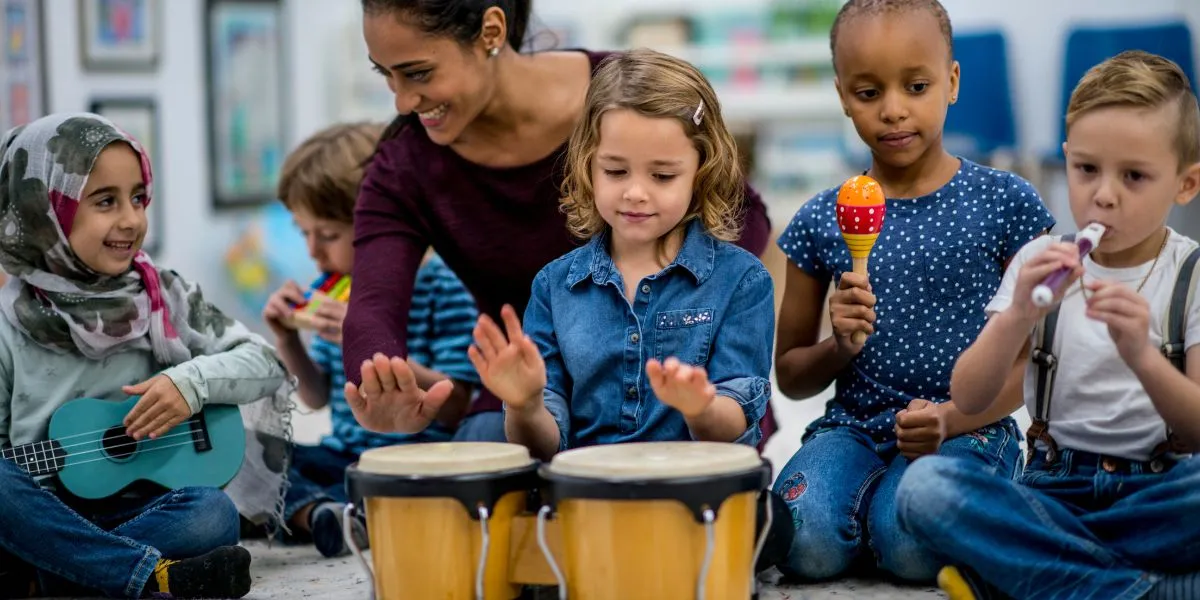
- Fine motor skills: Both advanced and simple instruments, such as tambourines or shakers, allow children to focus on their fine motor precision skills. These skills involve using their fingers and hands to manage small objects, improve writing ability and helping perform tasks like using cutlery.

The Impact of Music and Early Childhood Education on Literacy
A strong connection exists between music and literacy in early childhood education. By playing instruments, singing or listening to music, your child is developing the same attributes to improve their literacy skills. The relationship between music and literacy is especially important for phonological awareness and learning to read.
For children struggling with building their literacy skills, music is a valuable support tool. Activities involving music generally require less written work and focus on listening. Your child can develop their language skills by immersing themselves in music, without being introduced to reading books and other printed materials as a first step.
4 Benefits of Music for Children and Social Development
Aside from being fun, music is an excellent tool for bringing children together. Children can connect over their favorite music and build lasting relationships. Here are four benefits of music and its role in developing social skills for children:
- Opportunities to bond: From singing their favorite songs or learning to play or have fun with instruments, music helps children feel a sense of belonging. Music enables children to form lasting bonds and friendships that can endure for years.
- Connect through shared taste: Liking the same music helps children start conversations with their peers and build common ground. Music acts as a social cue, encouraging children to begin interacting with one another.
- Prevents isolation: By encouraging your child to listen and interact with music, they'll feel free to express themselves. Particularly within a group of other children, your child can develop social connections and find support from their peers.
- Develops collaborative skills: Participating in activities where kids can work together and listen to one another is an excellent opportunity to improve collaboration skills. Working together on playing music helps teach children about achieving shared goals.
Music and Brain Development in Early Childhood at Home
Regardless of whether your child participates in a music class, you can incorporate musical activities at home to continue developing their skills. Improvement comes with consistency and allowing your child to enjoy the experience.
- Make your own beats: Boost your child's creativity by getting them to make up their own songs. Inspiration can come from anywhere, including household chores or the television. Writing their own songs builds language skills and overall development.
- Buy some instruments: You can buy handheld shakers, tambourines or use your pots and pans as drums. Playing individual beats or reciting their favorite music is an excellent activity for your child’s development.
- Sing along with your child: Your voice doesn't need to be pitch perfect, but singing songs or nursery rhymes with your child helps with language development and builds their confidence. Be sure to incorporate movement to support motor skills.
- Listen to different music: Playing various genres of music allows your child to experience different sounds and recognize their favorite music. To develop emotional awareness, ask questions about how they feel when listening to music.
- Incorporate dance moves: Alongside some hand movements when singing along to songs, introduce dance moves to help your child build their confidence and physical coordination skills. Engage in games like freeze dancing to improve balance.
- Find a music group: There are many other parents and children in your area who are seeking to improve their child's development through the power of music. Look for local groups for you and your child to socialize with others and build relationships.
Child Developmental Music Programs at the Greater Philadelphia YMCA
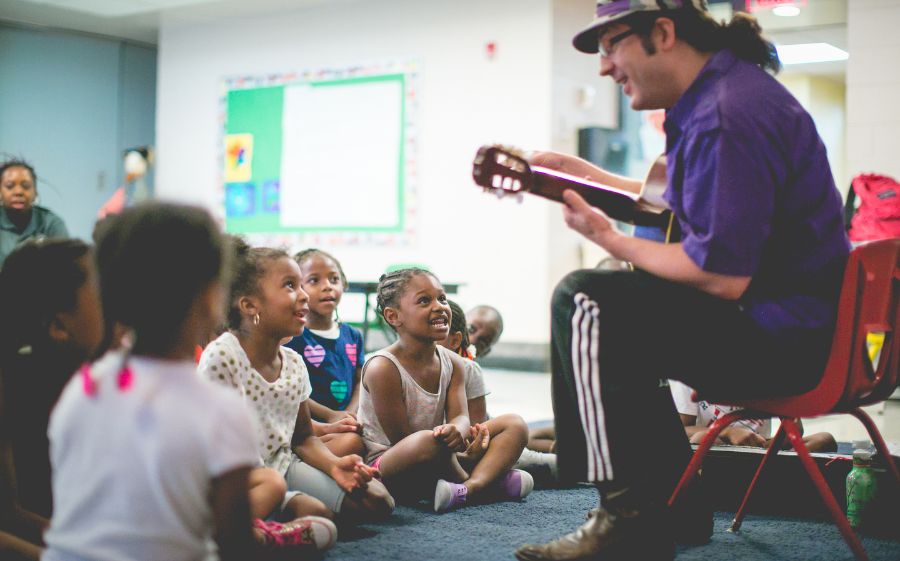
Children enrolled at Greater Philadelphia YMCA Early Learning Centers have daily musical experiences that are embedded into our curriculum to engage and build on children’s curiosity around music, sound, and performance. These experiences are both child initiated and teacher led.
Through this dual modality the teachers provide instruction on music, its many attributes and demonstrate how to appropriately use the instruments in the classroom. They explore musical styles, how to make music with your voice, how music makes us feel, and jobs that involve music. When children initiate musical experiences, they freely choose their instrument, how and what they are playing, negotiate with others, and fully engage their creative brain.
Musical experiences teach fundamental skills of pattern recognition, self-management, encourage active listening, and can bring joy to the learning environment. Discover early learning programs that fit the needs of your family today!